
Exploring how social media influences gambling behavior online
The Rise of Social Media and Its Impact on Gambling
In recent years, social media has grown exponentially, becoming an integral part of daily life for millions worldwide. This digital landscape has also significantly influenced gambling behavior, providing platforms where users can interact, share experiences, and promote gambling activities. For instance, many players are drawn to https://gates-of-olympus-ca.ca/, which has transformed the way people perceive and engage with online gambling, making it more accessible and appealing than ever before.
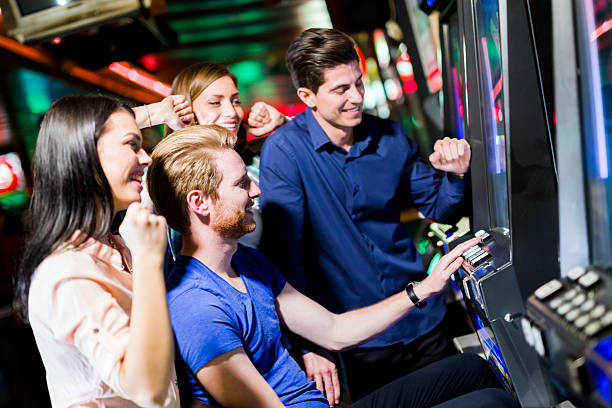
Social media’s role in the gambling industry is multifaceted. Users are exposed to sponsored posts, influencers endorsing gambling sites, and user-generated content showcasing wins and losses. This constant flow of information can create a sense of community among gamblers, making them more inclined to participate. Psychological studies suggest that social interaction can amplify risk-taking behaviors, leading individuals to gamble more frequently when they see others doing the same online.
Moreover, social media platforms have become vital marketing tools for online casinos, including popular options like Gates Of Olympus. By utilizing targeted advertising and influencer partnerships, these platforms can effectively reach potential gamblers, tailored specifically to their preferences. This strategy not only increases visibility but also normalizes gambling as a recreational activity, further embedding it into the cultural fabric of modern society.
The Psychological Factors at Play
The psychology behind gambling behavior is complex, influenced by various factors including emotional states, peer pressure, and the allure of rewards. Social media amplifies these psychological elements, making it easier for individuals to succumb to impulsive gambling behaviors. For instance, seeing friends celebrate wins from the Gates Of Olympus Slot on social media can evoke feelings of excitement and the urge to join in, regardless of the potential risks involved.
Additionally, the concept of social validation plays a significant role. When individuals witness their peers gambling and winning, they may feel pressured to engage in similar activities to fit in or gain approval. This phenomenon can lead to a cycle of gambling, where the desire for social acceptance outweighs the understanding of the associated risks, often resulting in detrimental financial consequences.
Furthermore, the instant gratification that comes from both gambling and social media can be particularly enticing. The rapid feedback loop provided by online gambling platforms, coupled with the immediate sharing of outcomes on social media, can reinforce gambling behaviors. Players may become conditioned to seek out these quick rewards, which can ultimately lead to addiction and a more perilous relationship with gambling.
The Role of Influencers and Marketing Strategies
Influencers have become a driving force in the gambling industry, leveraging their social media platforms to promote online casinos and gambling products. Their ability to engage followers through relatable content makes them effective marketers, often showcasing their experiences at places like Gates Of Olympus Casino in a way that appears both exciting and relatable. This form of marketing creates a façade of normalcy around gambling, encouraging more people to participate.
Many casinos invest heavily in partnerships with influencers who have established trust and credibility within their communities. These influencers can provide promotional codes, exclusive bonuses, and insights into gaming strategies, making the idea of gambling even more enticing. The visibility of these promotions on social media can significantly increase user engagement and attract a broader audience.
Moreover, the urgency created by limited-time offers and exclusive deals can prompt impulsive decisions among followers. This marketing tactic plays on the fear of missing out (FOMO), making individuals more likely to gamble to capitalize on perceived opportunities. This strategy has raised ethical concerns about responsible marketing practices within the gambling industry, especially considering the vulnerable populations that may be influenced.
The Consequences of Social Media’s Influence on Gambling
As social media continues to reshape gambling behaviors, the consequences can be profound. Increased exposure to gambling-related content often leads to higher participation rates, which can be particularly troubling for susceptible individuals. The normalization of gambling within social networks can desensitize users to its risks, resulting in higher rates of addiction and financial distress.
Moreover, the online nature of gambling facilitated by social media can create barriers to seeking help. Many gamblers may feel isolated, believing that their struggles are unique when, in reality, they are part of a larger community affected by similar issues. Social media can both exacerbate feelings of shame and create supportive networks that can lead to unhealthy behaviors.
Additionally, the potential for financial consequences is significant. Individuals may gamble recklessly, believing they are merely participating in a popular trend, without understanding the long-term implications. This behavior can lead to substantial losses, impacting their financial stability, mental health, and interpersonal relationships. Awareness and education are crucial in mitigating these risks and promoting responsible gambling behaviors.

Conclusion: Navigating the Digital Gambling Landscape
In conclusion, the influence of social media on gambling behavior is a complex interplay of marketing strategies, psychological factors, and community dynamics. As online gambling becomes more intertwined with social media, it is essential for players to recognize the potential risks and impacts of their behavior. A proactive approach to gambling, informed by awareness of these influences, can help individuals navigate this digital landscape more responsibly.
As the online gambling industry continues to evolve, it is crucial for stakeholders to promote responsible gaming practices and support initiatives that address gambling addiction. Creating safe spaces for discussion and providing resources for help can empower individuals to make informed decisions about their gambling activities. As we move forward, balancing enjoyment with responsibility will be key to fostering a healthier gambling culture in the age of social media.
Comentários