

The evolution of gambling From ancient past to modern day
The Origins of Gambling
The practice of gambling dates back thousands of years, with evidence found in ancient civilizations such as Mesopotamia and China. Archaeological discoveries have revealed that rudimentary games of chance, utilizing dice made from animal bones, were popular among early cultures. These games not only served as entertainment but also played a crucial role in social and economic exchanges. Many people are now discovering the excitement of a new kiwi casino experience that echoes those ancient roots.
In ancient Rome, gambling became a popular pastime, particularly among soldiers and citizens alike. The Romans engaged in various betting games, including dice and betting on gladiatorial contests. This era significantly shaped the perception of gambling in society, establishing it as both a means of leisure and a potential source of income.
The Development of Gambling Games
As societies evolved, so did the games themselves. The Middle Ages saw the introduction of card games, which gained traction across Europe. The invention of playing cards, believed to have originated in China, spread to the West and quickly became a staple in social gatherings. This era marked a shift from purely chance-based games to those involving skill, strategy, and psychology.
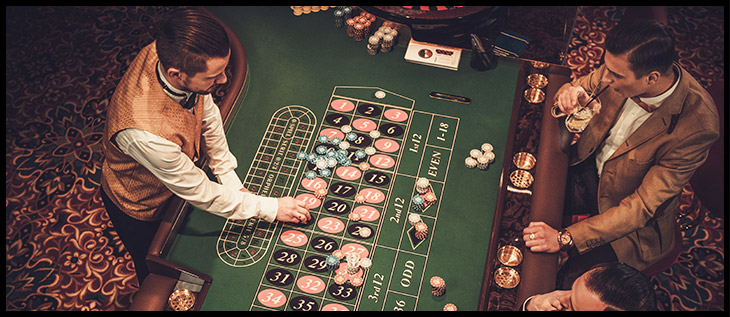
The emergence of gambling houses and early casinos in the 17th century provided structured environments for betting activities. These establishments formalized the gambling experience, offering various games and attracting a diverse clientele. This period laid the groundwork for the modern casino, as patrons sought entertainment and the thrill of chance in a regulated setting.
The Rise of Modern Gambling
The 19th century witnessed a significant transformation in gambling, particularly with the establishment of legalized betting. The introduction of horse racing tracks and lotteries in many countries marked a turning point, as these activities became state-sanctioned. This era not only increased accessibility but also contributed to the proliferation of gambling culture worldwide.
With the advent of the 20th century, gambling underwent another evolution with the birth of the modern casino. Las Vegas emerged as the gambling capital of the world, featuring opulent resorts and an array of gaming options. The combination of entertainment, luxury, and gambling attracted millions of visitors, setting a new standard for the industry.
The Digital Revolution in Gambling
The rapid advancement of technology in the late 20th and early 21st centuries ushered in a new age of gambling through online platforms. The internet revolutionized the industry, allowing players to access their favorite games from the comfort of their homes. Online casinos and betting sites provided a diverse range of options, from slots to poker, enhancing the gambling experience.
Moreover, the rise of mobile applications has further transformed how people engage with gambling. Mobile technology has made it easier to place bets, play games, and participate in live casinos anytime and anywhere. This shift has expanded the audience for gambling, appealing to younger generations and establishing a dynamic and evolving landscape.

Exploring Today’s Gambling Landscape
Today, the gambling industry is a multifaceted entity, encompassing a variety of platforms and experiences. Traditional brick-and-mortar casinos continue to thrive while integrating modern technology to enhance the customer experience. Interactive gaming, esports betting, and virtual reality are just a few developments that are reshaping how individuals engage with gambling.
As the industry evolves, it remains crucial for players to understand the various options available to them and the implications of their choices. Awareness of responsible gambling practices is more important than ever, ensuring that individuals can enjoy the thrill of gambling while maintaining control over their actions.
Comentários